Archive


Category: ngomeal.com

  • Evaluation

    Evaluation is the systematic evaluation of the performance of an activity, project, program, strategy, policy, subject, subject, area, field of activity or institution. Evaluation focuses on expected and achieved performance, examining a series of effects (inputs, activities, outputs, outputs and effects), processes, relevant factors, and causality to understand the performance or lack of performance. The […]


  • Monitoring

    Monitoring is the systematic process of collecting, analyzing and using information to track the progress of a program towards its objectives and guide management decisions. Monitoring generally focuses on processes, eg. Like B. When and where activities are carried out, who does them and how many people or units they reach. Monitoring will take place […]

  • Baseline

    Starting Point for Project Management A clearly defined starting point for your project plan. This is a solid benchmark that you can use to measure and compare the progress of your project. This is a great way to measure the performance of your project over time.

  • Target group

    Target groups are those individuals or groups that a project or program is targeting with its intervention. A target group consists of specific individuals, specific organizations, or specific institutions, etc. for whom project services are intended. Target groups can differ from beneficiaries of a project for whom the benefits of the intervention are intended. (E.g. […]

  • Sustainability

    Sustainability describes the continued benefit of an intervention after the end of a specific implementation.Sustainability is a central objective of development processes. A project is sustainable if changes consciously introduced and created during the project/program (impact, process, etc.) can be continuously developed and maintained over time.

  • Stakeholders

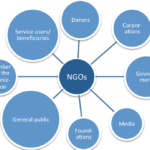
    Stakeholders can be defined as agencies, organizations, corporations, units, groups and individuals who are directly or indirectly affected or affected by the project or program. Stakeholders play a vital role in the success or failure of a project or program. Involving more and more stakeholders towards the project cycle (planning, implementation, evaluation, reporting) fosters an […]

  • Participatory Monitoring & Evaluation

    In the context of an organization’s mergers and acquisitions system, partnerships and mergers refer to a particular method of data analysis. Participating mergers and acquisitions involve a wide range of stakeholders (including direct project beneficiaries) in the decision-making process regarding the scope of the evaluation, the evaluation process, the types of information to collect and […]

  • Soft outcomes

    They are generally defined as somewhat abstract and more difficult to measure (e.g.: changes in certain areas of attitude, self-perception or competence). These are often, but not always, intermediate results.

  • Development Outcome

    Consequences are changes, gains, knowledge or other effects that result from the services and activities provided by an organization. Results can be positive or negative, expected or unexpected. The results can be relevant to individuals, families, entire communities, organizations, or other fields such as politics, law, or nature. Outcomes are linked to specific goals/objectives. Outcomes […]

  • Outcome

    Consequences are changes, gains, knowledge or other effects that result from the services and activities provided by an organization. Results can be positive or negative, expected or unexpected. The results can be relevant to individuals, families, entire communities, organizations, or other fields such as politics, law, or nature. Outcomes are linked to specific goals/objectives. Outcomes […]