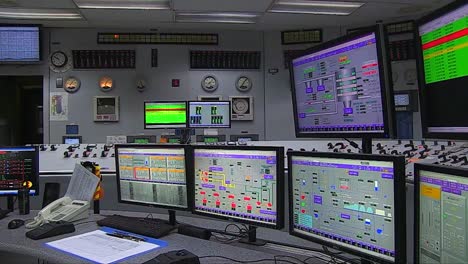
Data analysis is the process of verifying, cleaning, transforming and modeling data to find useful information, communicate conclusions, and support decision-making. There are many aspects and approaches to data analysis, covering different techniques under different names and used in different fields of business, science, and social science. In today’s business world, data analysis plays a […] →Read more
Feedback
by
Feedback is information about the operation returned at the core of the operation. Feedback occurs when the output of the system is fed back as input to the part of the circuit that forms the circuit or loop. So we can say that the system reinvents itself. When implementing a feedback system, the concept of […] →Read more
Performance Measurement
by
Performance measurement is the process of collecting, analyzing and/or communicating information about the performance of an individual, group, organization, system or component. The definition of performance measurement is based on the assumption that performance is measured. There is consensus on the definition or use of performance indicators, in addition to simply agreeing on their relationship […] →Read more
Program Management Initiation
by
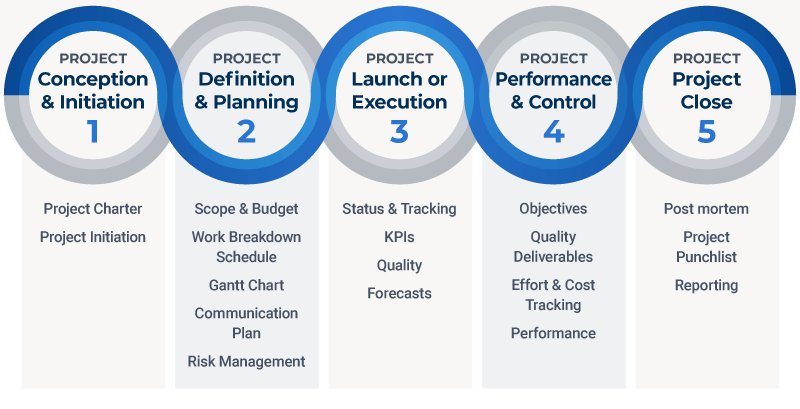
The installation phase includes all the steps that need to be taken before you can approve a project and start planning. The aim is to take your project to a high standard and link it to the business case you want to solve. You should be able to answer two questions: Why are you running […] →Read more
Project Initiation Document
by
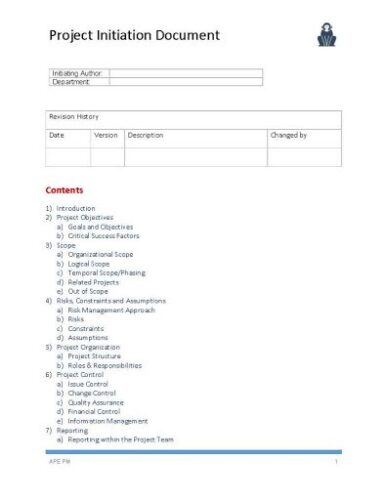
A project source document is a project guide that clearly explains the rationale for the project, what its objectives are and how the project will be organized. This ensures that everyone knows what is happening up front. Project Inception Documentation (PID) is one of the most important artifacts in project management, which forms the foundation […] →Read more
Learning through Evaluation with Accountability and Planning
by
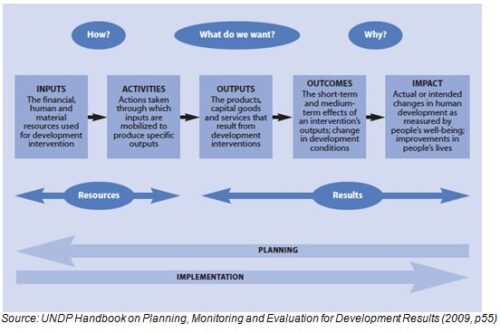
LEAP was introduced as a common approach to design, monitoring and evaluation(DME) in 2005. This has led to some real improvements in the effectiveness of programplanning and implementation. →Read more
Learning through Evaluation
by
Learning through Evaluation with Accountability and Planning LEAP was introduced as a common approach to design, monitoring and evaluation(DME) in 2005. This has led to some real improvements in the effectiveness of programplanning and implementation. →Read more
Responsibility
by
Ability to act independently and make unauthorized decisions.The state or fact of having an obligation to take care of something or to have control over.The state or fact that you are responsible or guilty for something.Liability can mean:collective liability, corporate social responsibility, Obligation, legal responsibility, legal obligation, legal Liability (Specification), media liability, moral responsibility or […] →Read more
Community Feedback and Response Mechanism
by
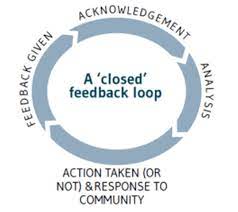
The Community Feedback and Response Mechanism (CFRM) was funded by the Democratic Governance Thematic Trust Fund (DGTTF). The Community Feedback and Response Mechanism (CFRM) delivered a mechanism that enables the beneficiaries and community members to providefeedback and seek responses in relation to activities of organizations and other development actorsin their communities, in a manner that […] →Read more
Community Feedback Mechanism
by
Community Feedback Mechanism (CFM) provides a mechanism that allows beneficiaries and community members to provide feedback on the activities of organizations. →Read more