Community based feedback and response mechanismsSupport the development of standardized methods and tools to consult with communities about their priorities based on the operational context of the CBFRM to guarantee security, accessibility and prioritization of mechanisms. →Read more
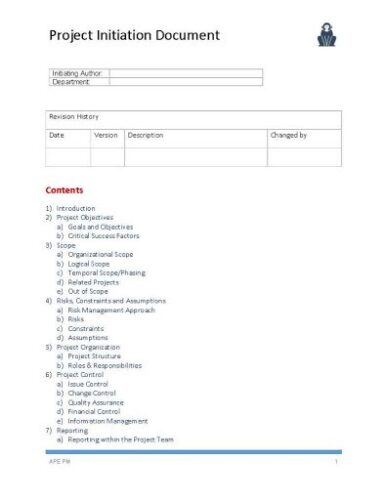
Program Design Document
by
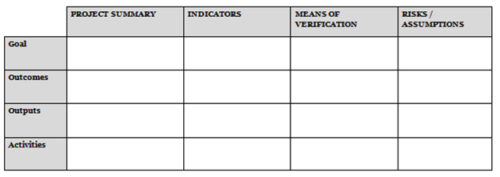
Main Sheet Project Summary Project Logframe Project Monitoring & Evaluation (M&E) Plan Project ITT Project DIP Year 1 Project DIP Year 2 Project DIP Year 3 Project DIP Year 4 Project DIP Year 5 →Read more
Detailed Implementation Plan
by
The Detailed Implementation Plan or DIP outlined the many steps required to complete the new program/project implementation process. →Read more
Project Summary
by
The project synthesis report includes a brief discussion of the progress of the project in all its aspects during the reporting period. In general, all project-related data can be stored and managed clearly. The NGO proposal clearly and concisely summarizes the main aspects of the proposal at the beginning of the document. … Although this […] →Read more
Main Sheet
by
Structure of Program Design Document Main Sheet. Project Summary. Project Log-frame. Project Monitoring & Evaluation (M&E) Plan. Project Indicator Tracking Table. Project DIP Year 1. Project DIP Year 2. Project DIP Year 3. Project DIP Year 4. Project DIP Year 5. →Read more
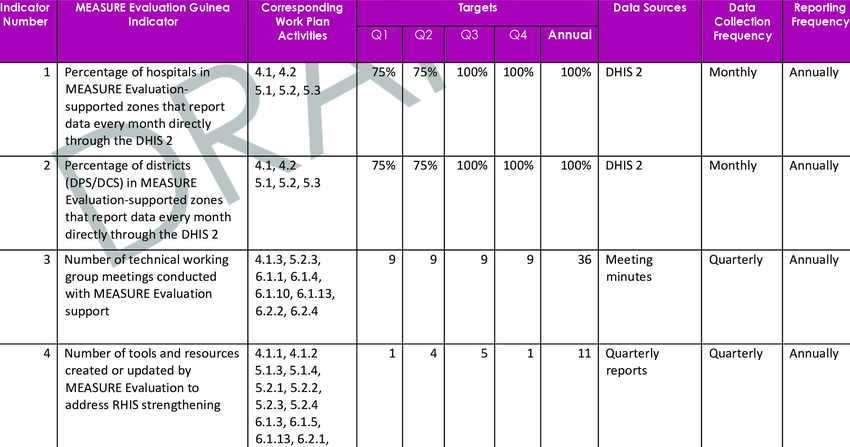
IPTT, while important, is part of a wider M&AE system. After USAID moved to results-based programming, Title II programs were to report on the impact of the project and their progress in implementing their work program. Each project should identify performance indicators that can be used to assess the progress of a specific end result […] →Read more
Data collection is defined as the process of collecting, measuring and analyzing a particular investigated researched in-sight data using validated standard techniques. The researcher can judge his hypothesis on the basis of the collected data. In most cases, data collection is the most important and critical stage of the investigation, regardless of the area of […] →Read more
Theory of Change
by
The theory of change is essentially an in-depth description and illustration of how and why a desired change should occur in a given context. It mainly focuses on mapping or “doing” what is called “lack of link” or “implementation”, between the change program or initiative (its activities or interventions) and how it is carried out, […] →Read more